

This post is going out early as a thank-you to paid subscribers. The full piece opens up to free subscribers next Tuesday. I’m grateful you’re here, and grateful for your commitment to rethinking what education can be. Your support is what keeps this work going.
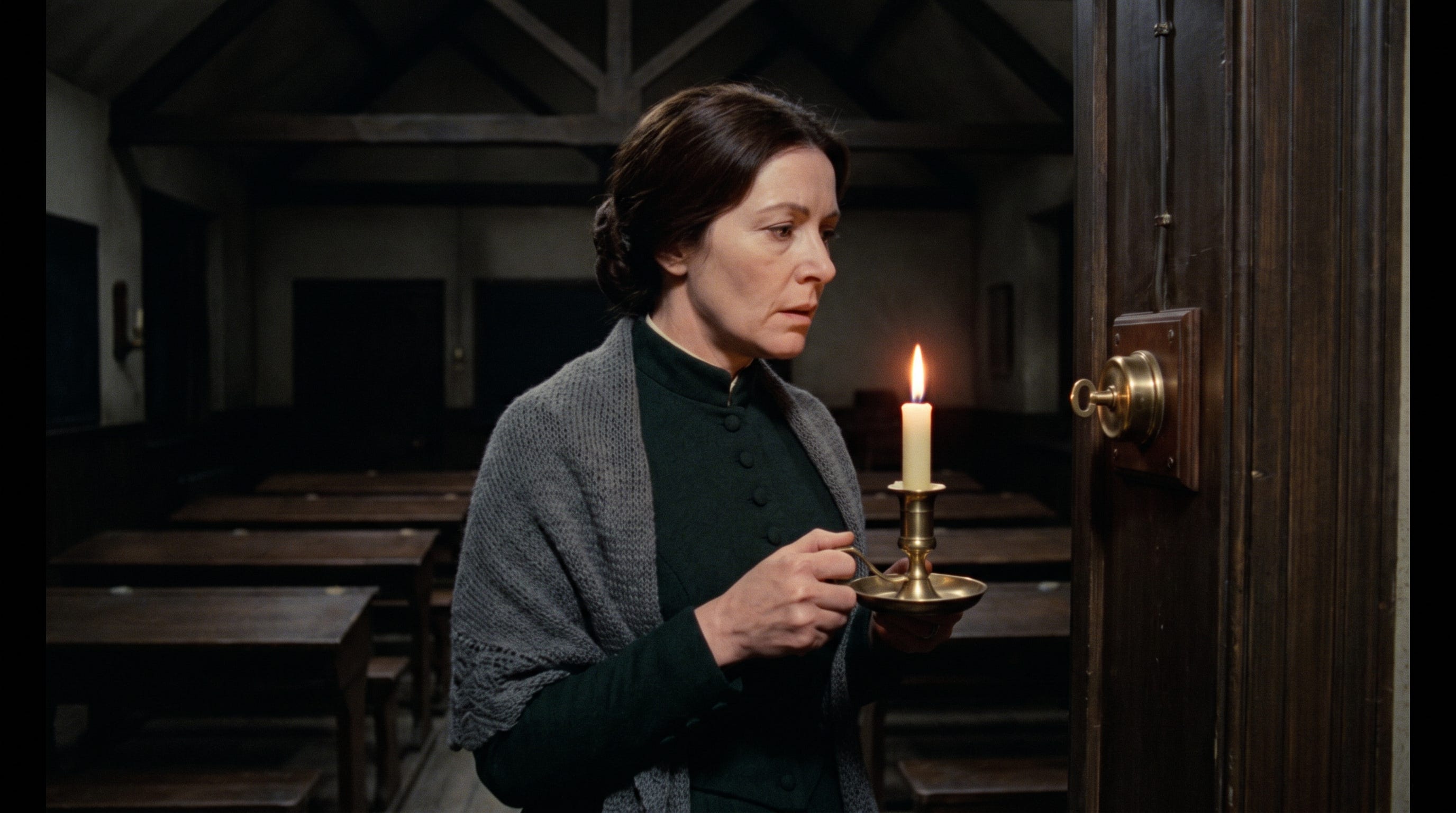
In the late nineteenth century, some of the first rooms wired for Thomas Edison’s incandescent lamps came with a small printed sign. A photograph of one of these signs survives in the collections of the Huntington Library. The sign reads:
This Room Is Equipped With Edison Electric Light. Do not attempt to light with match. Simply turn key on wall by door. The use of Electricity for lighting is in no way harmful to health, nor does it affect the soundness of sleep.
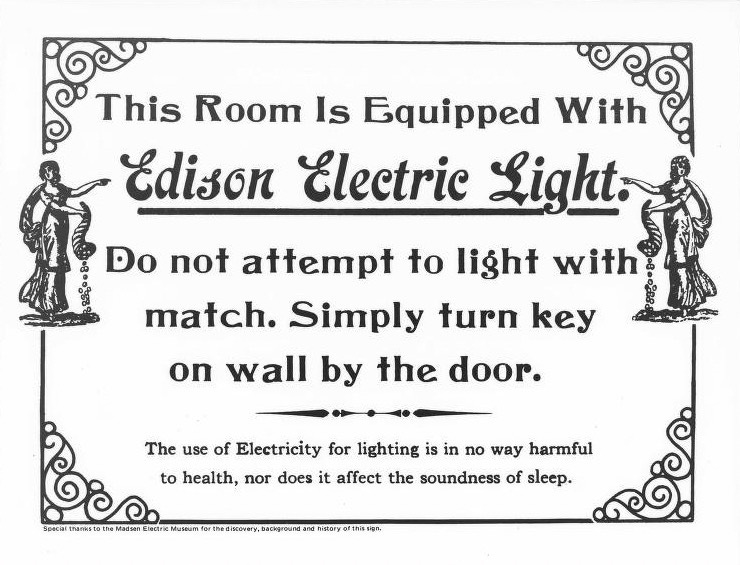
To the people who first read that card, its instruction was anything but obvious. For their entire lives, light had come from a flame, and a flame needed a match. A key on the wall made no sense inside that experience. And so the card had to explain, in plain words, what to do instead. It also tried to calm a widespread fear, promising that electric light would harm neither health nor sleep.
As educators, we are now in a similar position with AI, meeting a new technology with old habits. This time, though, nobody has written us a card yet. And without one, many of us are still reaching for the match.
Over the last few months, I have become increasingly concerned about a split I see opening up in our profession. More and more of my colleagues are caught in what feels like an endless debate about whether using AI is cheating, and whether AI “writes well enough.” Meanwhile, the technology itself has moved on. It has gone from a tool for creating something to a tool that runs parts of our work through autonomous agents.
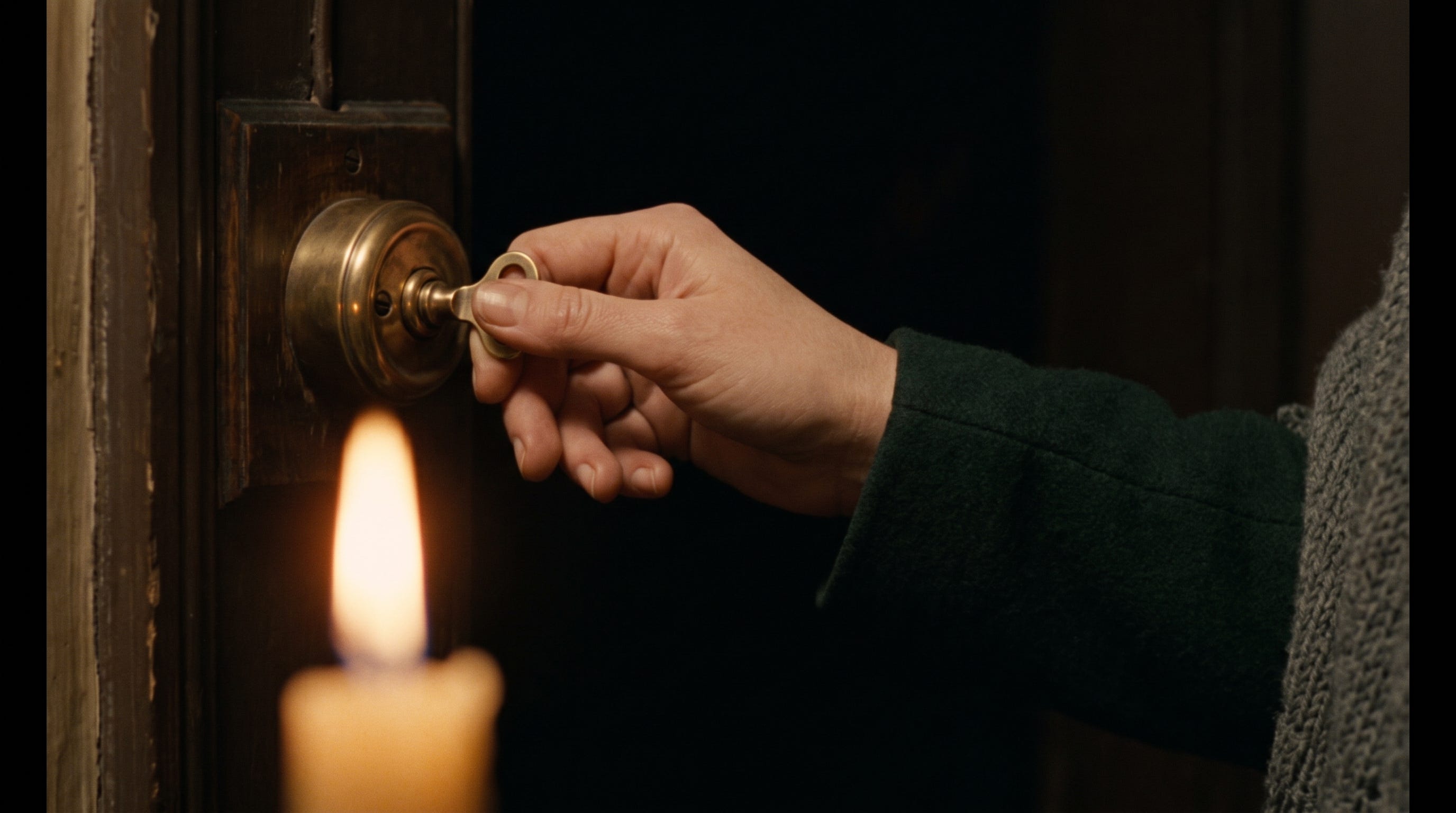
In a recent conversation with a colleague, I compared this to one part of the population working on computers while another part is still debating whether the light switch is a good idea. Half jokingly, I called the second group the “candle people.” Most of them have never flipped the switch. They therefore have no way of knowing what electricity is really capable of.
If the split keeps widening, it will end in something close to a two-class society of those who know and those who don’t. Can that still be avoided? I think so, but only if every educator, whatever their stance on AI, accepts a duty to understand where this technology is heading.
So in today’s post, I want to make the case that this duty requires experimenting with AI.
Still striking matches
To be clear, the cheating, provenance, and quality questions are legitimate. I have written my share of posts on them, most recently There Is Only One Dial. But these are primarily questions about output. They ask what happens when a piece of text appears on a page, and who or what put it there.
That was a sensible way to think about AI in 2023, when using it mostly meant typing a prompt into a chat window and copying the answer somewhere else. But it describes less and less of what these systems can do today.
I recently introduced Sarah, the virtual assistant who now organizes a good part of my day. She reads my personal inbox and keeps it in order. She also notices when I owe someone a reply and reminds me if I still haven’t sent it. When I ask, she looks at tomorrow’s calendar and prepares a short brief on what each meeting is for. The more I use her, the more I realize how much she boosts my productivity.
But none of it touches how I create, because Sarah writes nothing I publish. She only handles the coordination around my work. If you judge AI only by the essays your students turn in, you will never see any of this.
Even on the question of cheating, the debate is already out of date. In the same post, I described how an assistant like Sarah can log into Canvas with someone’s credentials and work through a course without them: read the module, post to the discussion forum, take the quiz, and submit the essay. The debate over whether a student may use ChatGPT for an assignment still pictures a student sitting in front of the computer. With an agent, the student may never open the assignment at all.
This is what worries me most. An educator who has never watched an agent work through a real task has no picture of what their students can now do. Nor do they have a sense of the workplaces those students will enter once they graduate. And none of us can teach about what we do not know.
