


Today's bonus post on The Augmented Educator is something a little different: it comes from my dear colleague Andrew Zitcer, who writes Creative Democracy here on Substack. Responding to an earlier post of mine, “Nobody Wept for the Weavers,” Andrew argues that treating artists as a special class of worker doesn't protect them. It cuts them off from every other precarious worker they could organize with, and it tells everyone else that creativity isn't for them. His answer is solidarity, and a world where everyone gets to tell their own story.
There's one more reason I'm glad to share this. As regular readers know, I openly use AI in my own writing. Andrew doesn't use it at all. He's an accomplished scholarly writer, and every word here is his own. If you'd like to support real human work on Substack, subscribing to Creative Democracy is a great place to start.
Michael G. Wagner (The Augmented Educator)
Michael’s post on creative labor touches on themes central to my own research: the arts, elitism, and democracy. Like him, I’m watching our students and recent alums navigate the rapids of economic and technological change. Their livelihoods are indeed under threat.
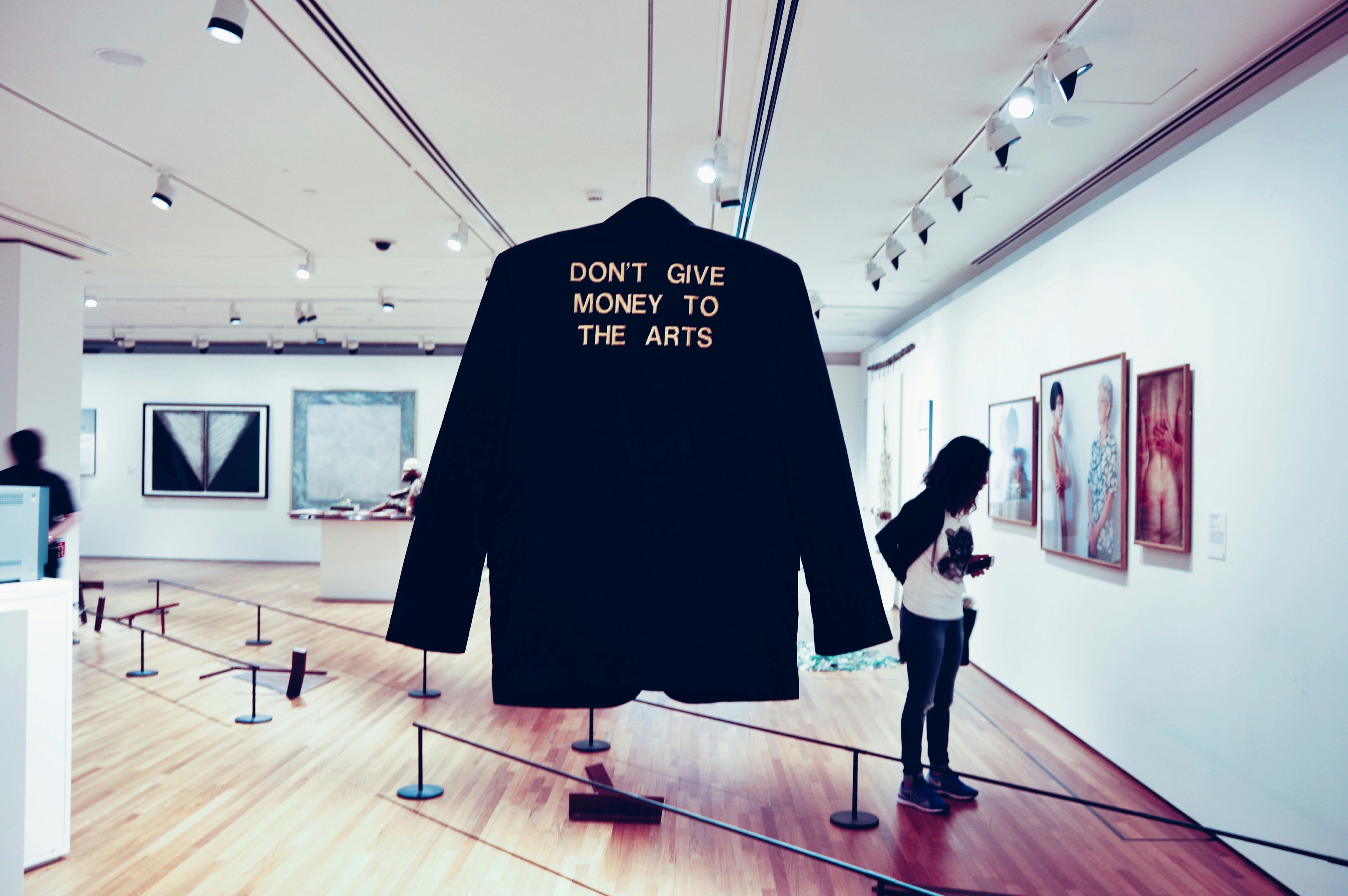
Nevertheless, as Michael notes, to claim that creative labor is more valuable than other kinds of work is a losing strategy. By separating creative workers from the rest of the labor force, creative exceptionalism harms the artists and designers it is supposed to protect. Today, millions of workers across sectors suffer from economic precarity; artists and designers are not unique in this respect. Any group in the labor market who tries to go it alone will be more vulnerable to political and economic shocks. The only way that working people, artists included, can win better labor conditions is by building collective power. That requires cooperation, not separation.
The harms caused by creative exceptionalism don’t stop with artists and designers. This elitist framework also discourages the rest of society from tapping into its own creative potential. When creativity is considered the domain of experts, everyday people hold back, thinking that artistic curiosity is off-limits to them. Even my urban planning students – who are enrolled in a college of art and design – are reluctant to experiment creatively: “But…I’m not an artist!” they say, “I’m not creative!”
The non-artists among us are denied access to creative practices that can help make sense of our experiences, cope with adversity, and tell the story of our lives on our own terms. Alienated from our creative faculties, our voice, agency and power are dimmed.
Given the negative consequences of creative exceptionalism, why does this system persist? The answer comes in the form of a phrase coined by British management theorist Stafford Beer: “The purpose of a system is what it does.” The system of creative exceptionalism has benefitted some, including political and business elites who want to be in control of the narratives that shape our lives. They want to tell our stories for us. Entertainment and tech companies are happiest when we consume culture, not push it forward. We slumber along in cultural quiescence. Divided, disorganized, and dispirited, we cede the upper hand.
Creative exceptionalism’s Romantic roots
When we understand creative exceptionalism, we can undermine today’s configurations of power and privilege. Creative exceptionalism emerged out of the Romantic notion of the artist as a solitary and exceptional creator. Some artists, beginning in Europe in the late 18th century, mythologized themselves as fringe figures, disregarding life’s practical matters to pursue their individual passion. Artists are weird, not like us. That allows us to revere them as geniuses and mock them as fools, often at the same time.
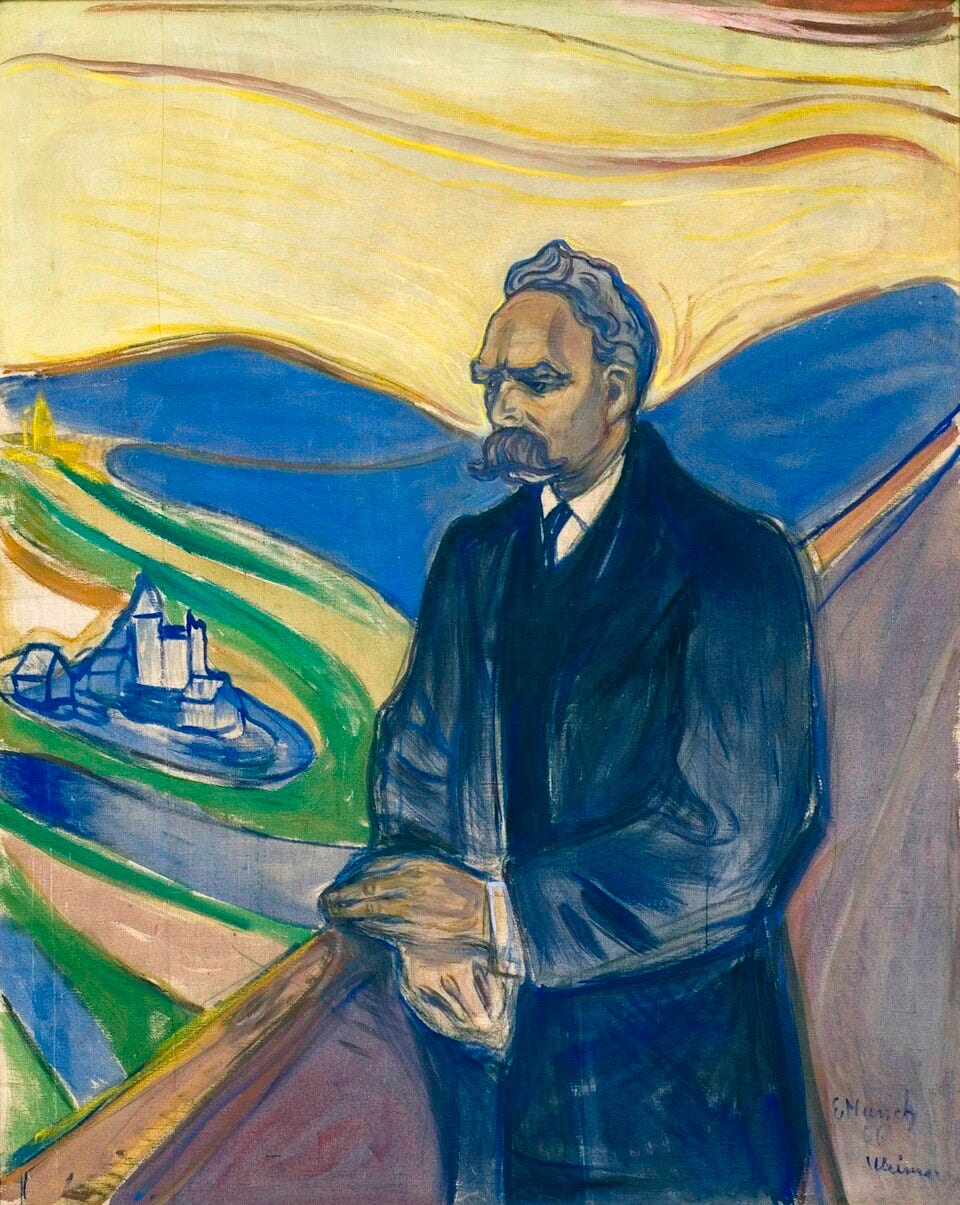
Economically, the Romantic-type artist is usually depicted as ‘starving’ and poor by choice, a defective economic subject who doesn’t maximize their earning potential. If we don’t want to live in poverty like many artists do, beware of their example. Yet when an artist breaks out of obscurity and becomes wealthy and famous, we roll our eyes at the artist’s lavish and decadent lifestyle. Either way – starving or swimming in cash – the artist is privileged not to have to ‘work’ for a living.
Those of us who work closely with artists and designers know that the Romantic narrative is inaccurate. Artists are scrappy; they make the best work they can afford to with scarce resources. They are adept at navigating ebbs and flows of funding, often adapting in the middle of a project. And we know that artists aren’t solitary geniuses. The art worlds they inhabit consist of dense networks of collaboration that include fabricators, stage managers, bookkeepers, and promoters.
Yet those collaborative networks are held together without adequate health benefits or employment protections. Piecing together multiple income sources and job types, artists and designers are the original gig workers – decades before Uber and Doordash came along. And like other gig workers, artists and designers are buffeted by the rising cost of housing, healthcare, childcare, and the like.
Constructing a creative class
Over the last 30 years, the Romantic notion has been superceded by defining artists as members of a ‘creative class.’ By the 1990s, cities from Pittsburgh to Bilbao found themselves decimated by the decline of the manufacturing economy. Casting about for an economic development strategy to bring these cities back, planners and economists turned their attention to artists and designers. Suddenly cities wanted more artists, needed them. The presence of a creative class would demonstrate the viability of struggling neighborhoods and pave the way for culture-led regeneration. It’s fun to blame Richard Florida for all of this. But he was merely the handsome avatar of a movement beginning to sweep academia and policy circles. Planners rushed to develop ‘creative cities’ policies that would renew of civic vitality and economic vigor.
To my eyes, the creative class/creative cities paradigm further disordered our relationship to arts, culture, and design. It reduced artists and culture-makers to mere inputs for economic development, tourism, and gentrification. In many instances, these artists were priced out of their neighborhoods as soon as the housing market could bear higher rents.
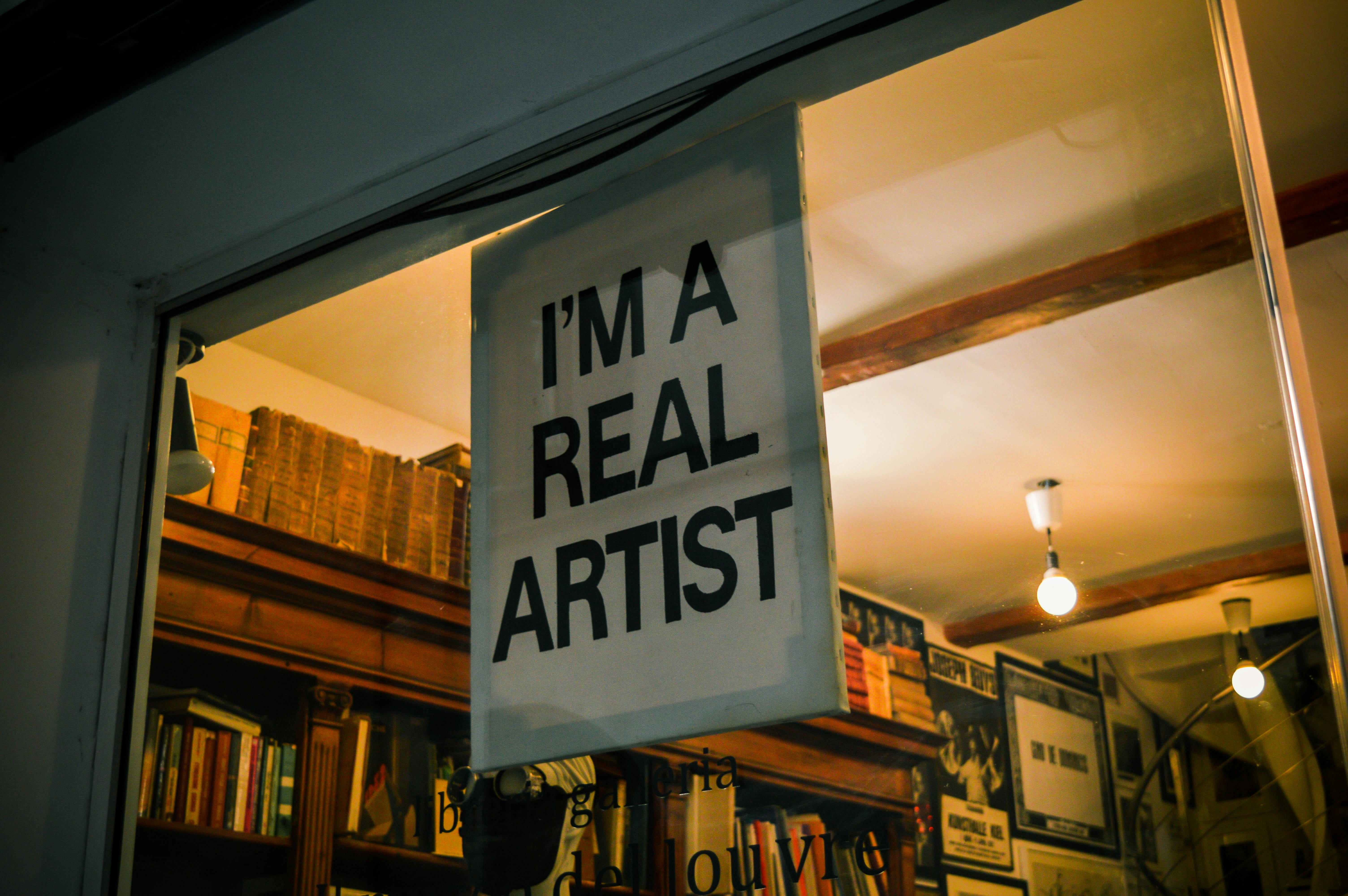
Just as problematic is elevating one subset of workers to the status of a ‘creative class.’ If someone is not a member of the creative class, not a creative worker – what does that make them? It implies that two thirds of workers constitute an ‘uncreative class.’ (Florida uses the terms “working class” and “service class”.) Creative class economic development has upheld, even encouraged, the separation of artistry and artists from the everyday practice of civic life.
Creative economy to creative society
Today, there are encouraging signs that the Romantic artist and the hipster of the creative class are on the way out. An emerging cultural policy paradigm redefines artists as essential workers and arts and culture as a fundamental human entitlement.
Leaders around the United States are developing ways to strengthen the creative sector without cordoning off ‘creatives’ from everyone else in the economy. This is a welcome development. Advocates like Althea Erickson and Sarah Calderon have been working on artist labor protections, including intellectual property to portable medical benefits. There are now cultural land trusts built to preserve cultural spaces in cities like San Francisco. Increasingly, arts groups and social movement organizations are pooling resources through fiscal sponsorship and shared administrative services (see CultureWorks here in Philadelphia and its parent organization Social Impact Commons).
Artists and designers are taking on roles central to public life. CAIR Lab (Cross-sector Artists in Residence) places artists in government agencies to assist with service design and delivery, as well as outreach and storytelling. And artists are at the forefront of organizing around guaranteed income, through programs like Maniobra in Puerto Rico and Springboard for the Arts in Minnesota. These projects advocate for artists to receive monthly cash, no-strings-attached. But they also organize in solidarity with other precarious workers in efforts like the New York State Cash Alliance.
Towards creative democracy
This failure to make common cause with other workers has limited the ability of professional artists and designers to advocate for the protections they need. Now, when they are impacted by automation and displacement, it’s no wonder that society at large isn’t rallying to their defense. Many people still see artists and designers as different and irrelevant to them.
But recent developments suggest a change is afoot. And I am glad to be part of this movement. Because creative practice allows us to express our particular stories, it is a political act. In an era where disinformation, partisan media, and online hate speech run rampant, it’s time that everyone reclaimed the right to tell their own story. I call this movement creative democracy.
There is lots of work to do along the way. Join me as I document my work on creative democracy. Have a look at my Substack newsletter, where I am working on methods and strategies for creative democracy. Join me as I continue to explore questions of moral consumption and moral economy; cooperative practices in the arts; read-only vs read-write culture; exploitation and alienation of creative labor; and why the future of culture belongs to the amateur, not the expert.